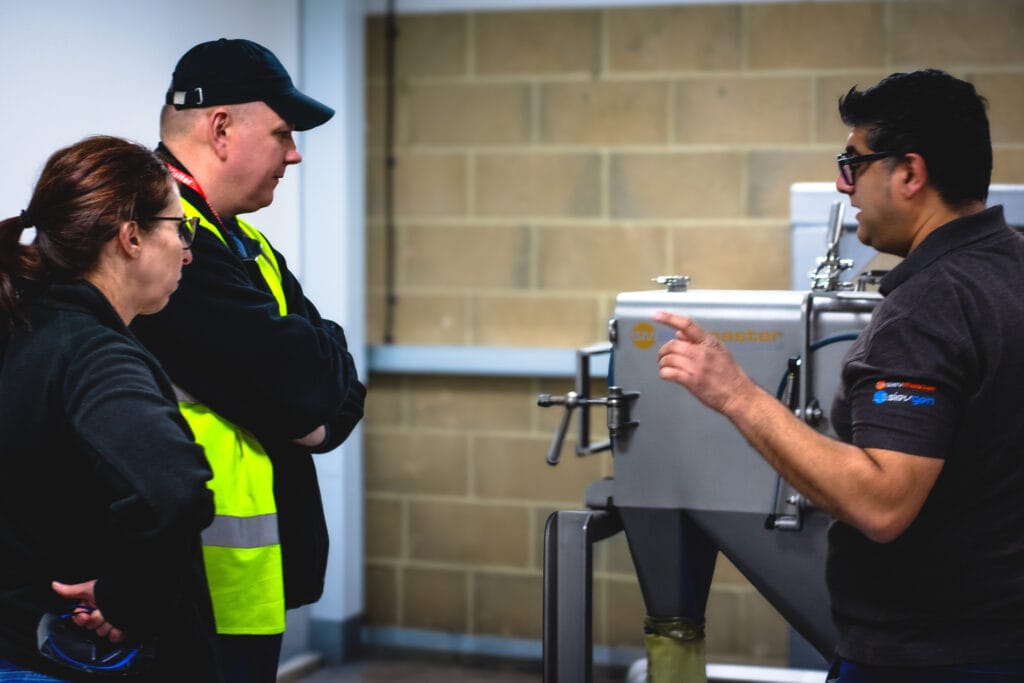
Rehan discusses some common misconceptions he comes across in his role and delves more into the technical side of our industrial sieving company.
What’s the most common technical mistake you see in sieving setups?
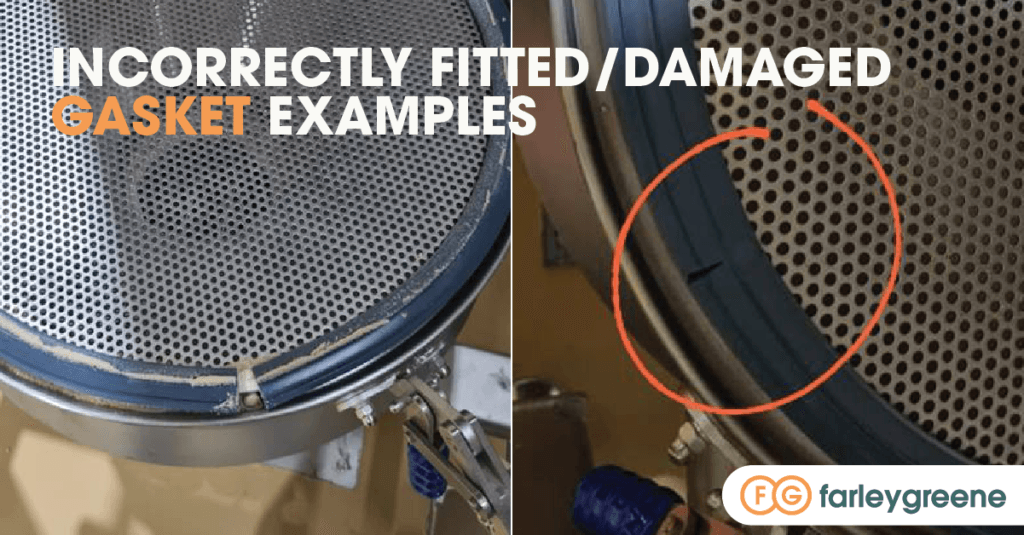
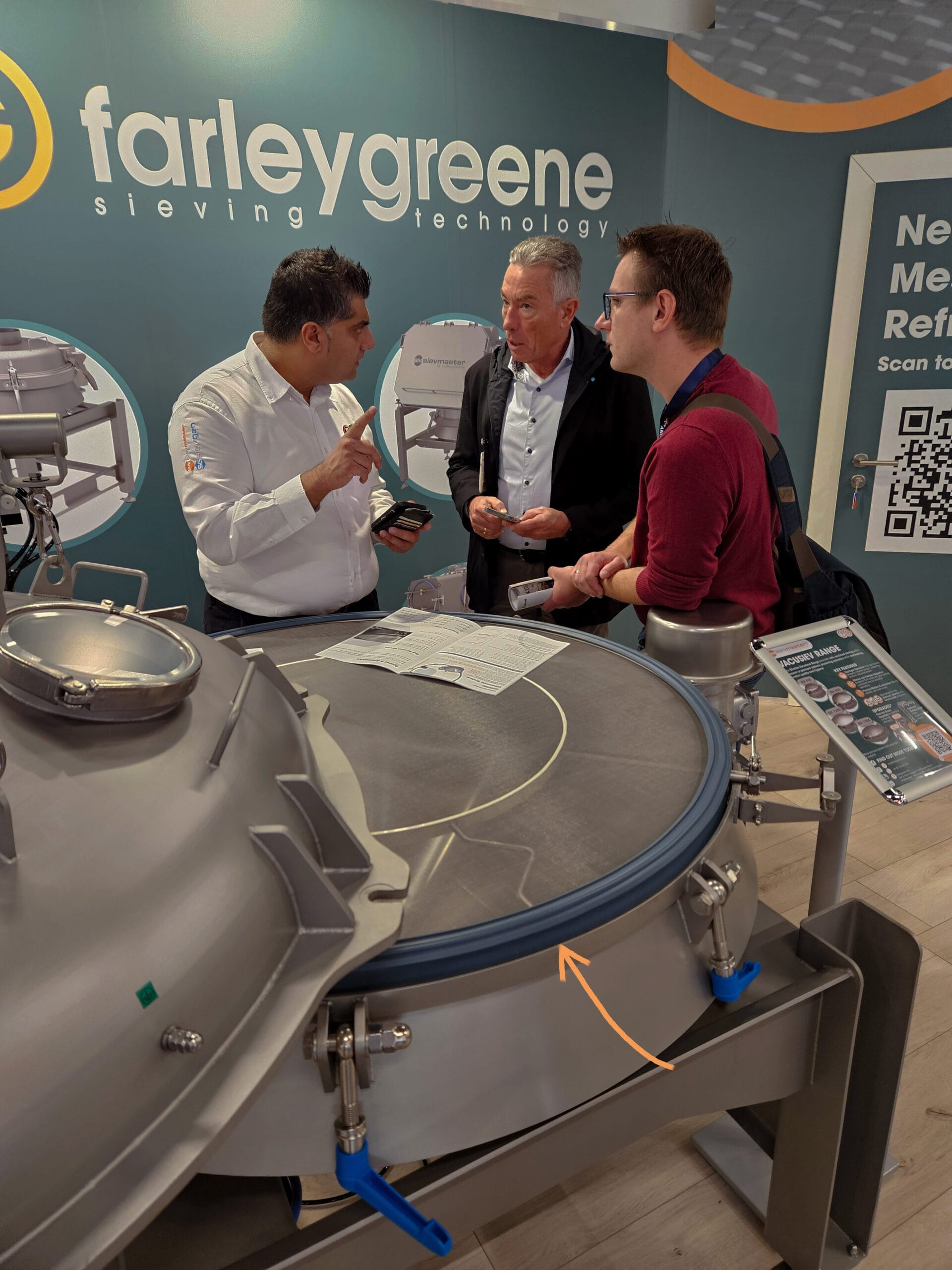
“Not placing the gasket on the mesh ring properly.”
Rehan Tariq, Area Sales Manager, Farleygreene
This is a simple, but very important step when it comes to your manufacturing processes. Without it, machine performance and hygiene suffer. This is essential for creating an airtight seal, as otherwise it could lead to product leakage, dust escape and cross-contamination, even going as far to risk non-compliance for industry regulations.
An incorrectly fitted or damaged gasket can cause uneven pressure across the sieve, unnecessary wear on the mesh and surrounding components, and increased maintenance, downtime and operating costs over time.
In short, a properly fitted gasket is essential for hygiene, compliance and ensuring the machines are running to their best ability, ensuring you that maximum efficiency Farleygreene is known for.
📞 To find out how simple this significant, but often forgotten, step is, refer to your Farleygreene user manual or call our Sales & Support line: +44 (0)1256 474 547
Our Farleygreene toggle clamps are designed with durability in mind and require minimal maintenance, making them quick and effortless to tighten while ensuring a secure, dependable seal every time.
Why does a fully tightened toggle clamp matter?
A tight toggle clamp seal is critical in manufacturing processes to prevent product leakage and cross-contamination. It guarantees consistent and high-quality screening, also improving operational efficiency. All of this is especially important when it comes to complying with strict hygiene and regulatory standards.
What’s one misconception about how sieving works that customers often have?
“That you can sieve any powder regardless of its properties with one size mesh to achieve one throughput figure.”
Rehan Tariq, Area Sales Manager, Farleygreene
It would be easy if one machine could do anything and everything, but at Farleygreene we are focused on ensuring that our sieves are bespoke, high-quality and fit for their intended purpose. We understand that powder screening and behaviour can vary depending on various factors, being unpredictable when interacting with a mesh.
Email [email protected] – we can either source or advise on almost any part.
When processing any material, particle size distribution, density, moisture content, flow characteristics and shape all need to be considered. Using a single mesh size across different materials can often lead to inconsistent screening, and ultimately blockages. This causes a chain reaction with reduced efficiency, increased product loss and longer downtime.
This is why our industry experts tailor every machine for best performance — engineering the mesh size, vibratory sieve settings, feed rate and sealing to work together for dependable throughput, consistent separation and effective process control.
How do product choices, such as selecting the right machinery, mesh size or materials, affect efficiency and output?
“When sieving, you have to understand the product coverage on the surface area of the screen relative to the particle size and mesh size requirement of the product. IF you have a tricky powder that needs to be sieved at a mesh aperture that is slightly smaller than the particle size, then you need to have a larger sieve with things like Ultrasonics (for generally under 2mm mesh size) to aid the throughput otherwise efficiency may not be achieved.”
What advice would you give to customers to get the best results from Farleygreene products?
“Ensure preventative and routine maintenance of Farleygreene products to ensure longevity of our sieves. Ensure critical spares are also in hand such as spare meshes and gaskets.”
Rehan Tariq, Area Sales Manager, Farleygreene
As with any piece of industrial equipment, routine sieve maintenance is vital to extending machine durability and reliability. Following the guidance in Farleygreene user manuals warrants that machines are operated and maintained correctly, enforcing the importance of compliance with hygiene and safety regulations. We advise regular inspections to identify wear before preventable and unplanned downtime.
We also stress the importance of spares and accessories for your machines, even going as far as to provide these for other sieve manufacturers too, as well as re-meshing services.
Can you share a recent example of a Farleygreene product making a measurable difference for a customer?
“We conducted a recent Rota 180-C test for a customer who wanted to test their taurine product to ensure product could sieve post 2000kg/hr. Once they came to site and saw the test take place they left satisfied and also mentioned potential future projects that FG could potentially be a one stop shop for, for all things sieving!”
Rehan Tariq, Area Sales Manager, Farleygreene
Headquartered in Hampshire, United Kingdom, Farleygreene supports customers worldwide. By partnering with renowned distributors, we are able to identify specialist companies globally and tailor solutions to their individual processing needs.
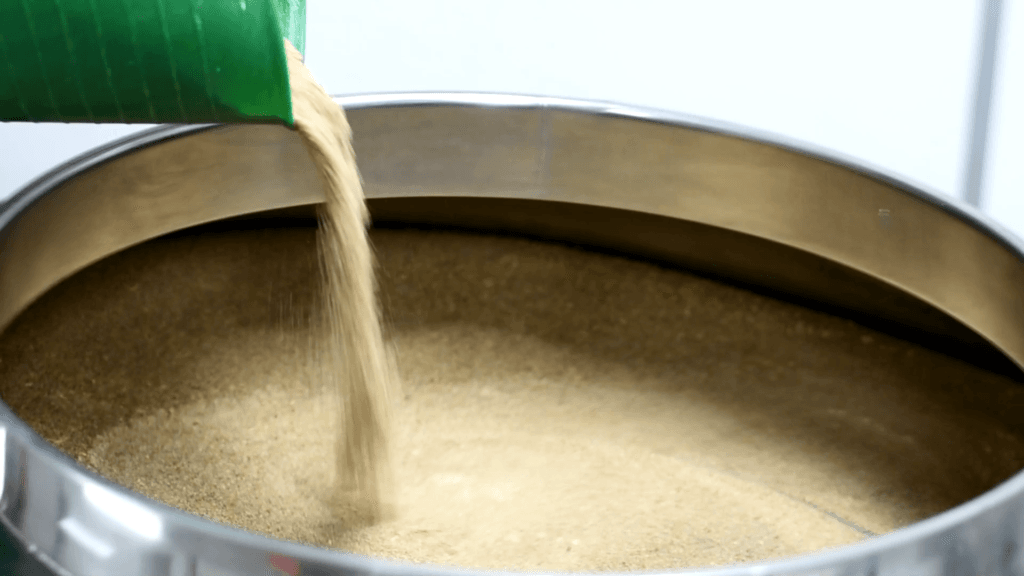
Rehan recently supported a customer who required high-efficiency sieving of taurine powder – an amino acid compound widely used within the nutraceutical industry to support immune health, electrolyte balance and nervous system function. Consistent, effective sieving is therefore essential.
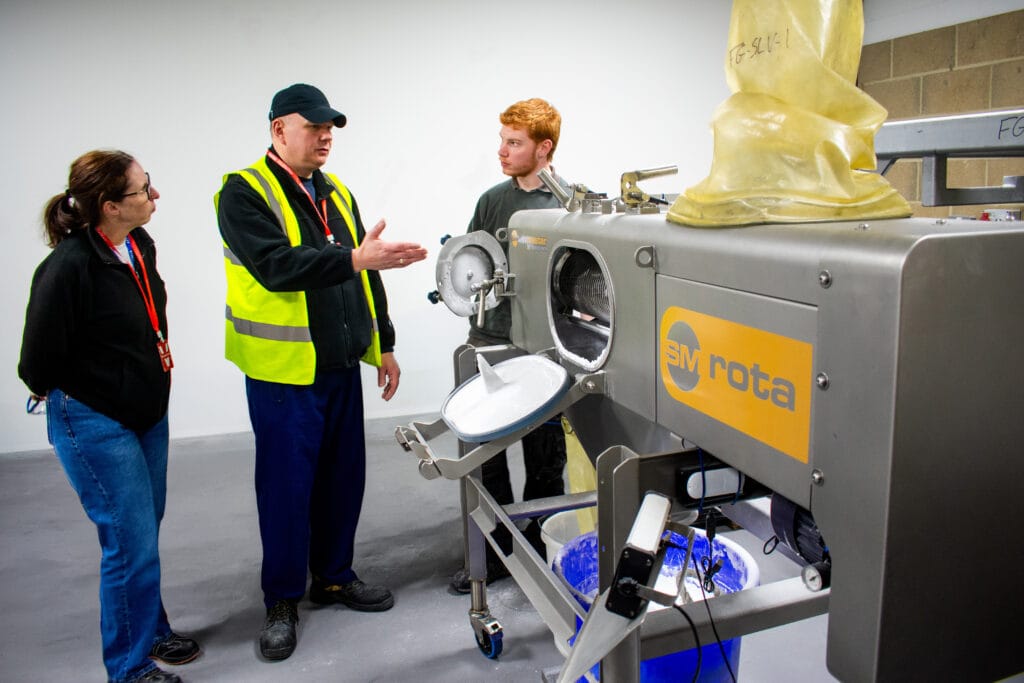
When Rehan and our Production & Test Technician, Dan Smith, met with this customer, we demonstrated the effectiveness of our Rota 180-C rotary sieve using our in-house test facilities. The team walked them through each component and configured the system to suit the product’s characteristics. Our Rota 180-C exceeded the customer’s expectations by reaching a throughput rate of up to 10,000kg/h.
Farleygreene manufactures the Rota 180-C from stainless steel under its ISO 9001-certified quality management system. It supports hygienic processing, conforms to CE and UKCA requirements, and is available in ATEX-approved configurations where required.
To wrap up, we understand that extra guidance is sometimes needed. That’s why we pride ourselves on supporting our customers – whether you’ve owned our machines for years, are new to the sieving world, or need help integrating equipment into established manufacturing processes. Our sales team will guide you through your purchase, ensuring the solution is tailored to optimise your processes, while our Aftersales team remains on hand to support you with any ongoing questions.
This article is based on our LinkedIn newsletter featuring Rehan Tariq. Read the original here.